
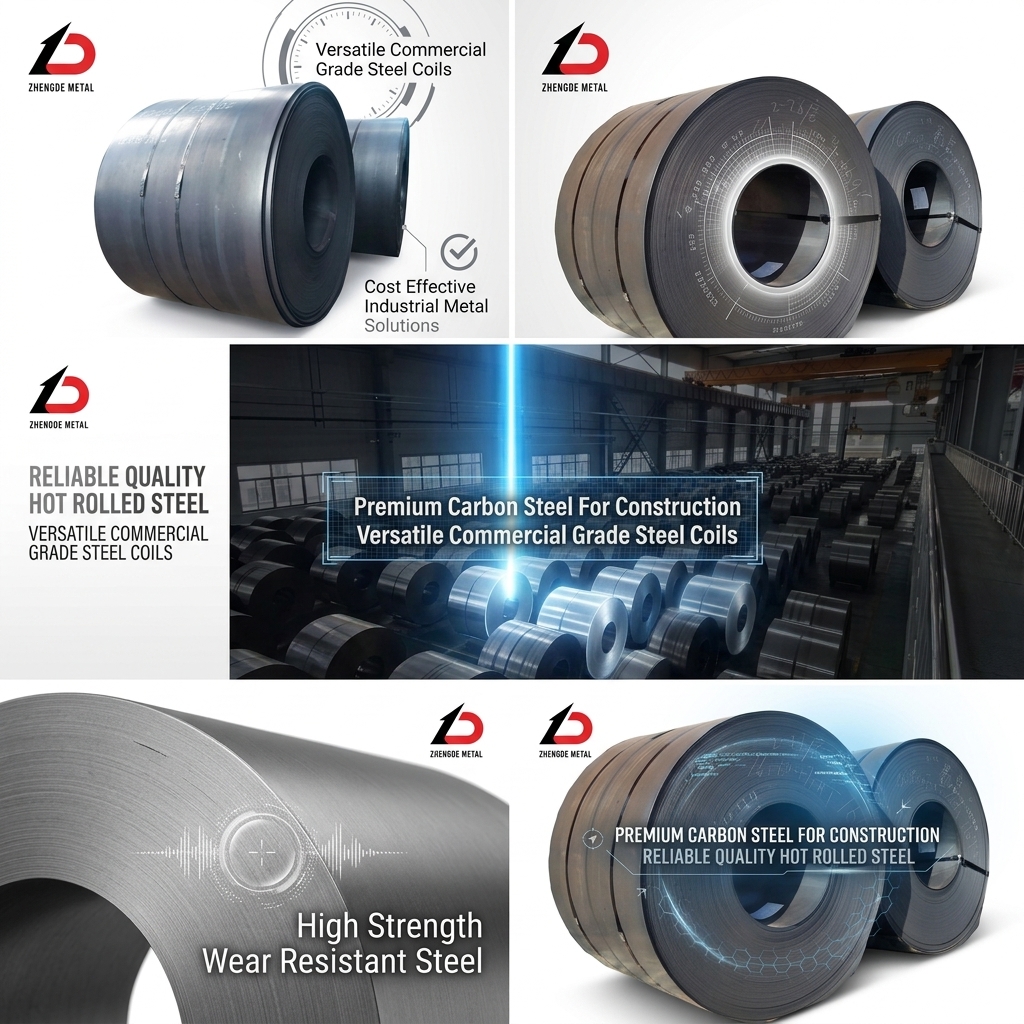
SM490A SM490A is the JIS welded structure grade that Japanese and Southeast Asian bridge and building projects have used for decades. The A suffix is not an afterthought: it guarantees 27 joules charpy impact energy at zero degrees, which is exactly the property that matters when a girder is welded in a coastal yard and then loaded in a typhoon zone. The grade is designed around weldability first and strength second, and that is reflected in its carbon equivalent limit.
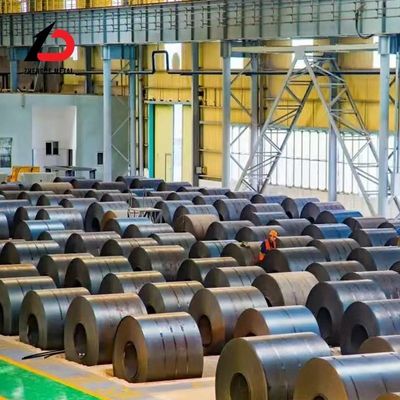
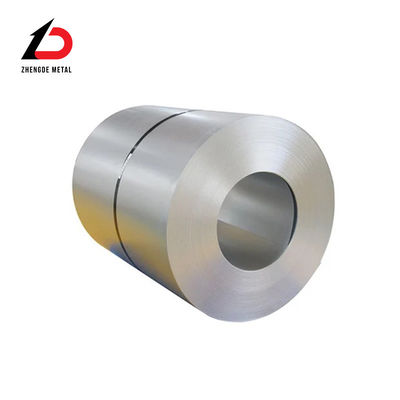
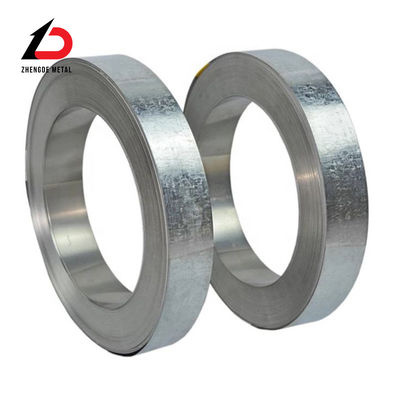
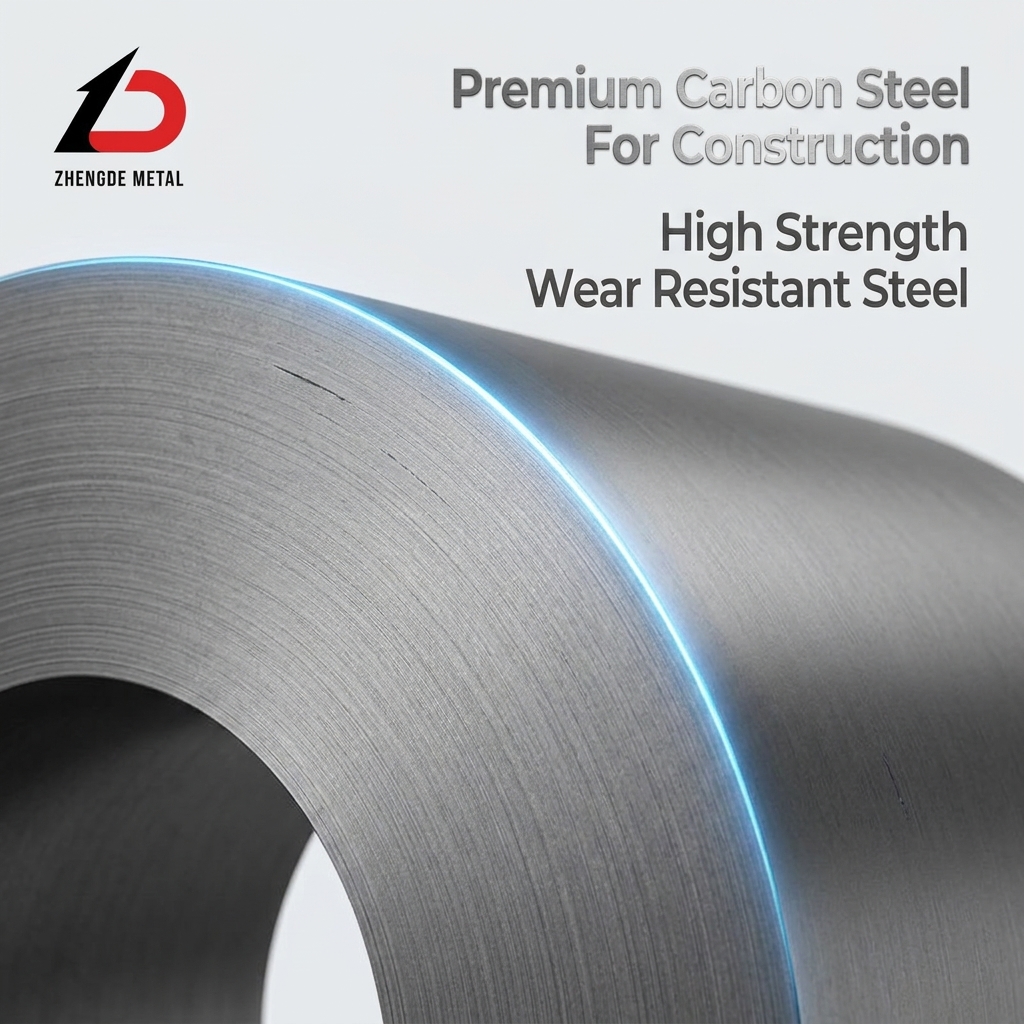
The strip is rolled to width on a hot strip mill, cooled at the run out table to a target coiling temperature and wound under controlled tension to avoid introducing residual stress that would show up later as a wavy cut part. Sampling follows the standard for the grade: chemistry from the ladle, tensile from the coil, impact from the quarter thickness position. Because we buy from mills that roll the same grade continuously, the property scatter from coil to coil stays narrow, which is what keeps a fabricator's welding parameters valid across a whole shipment.
Key Features| Parameter | Specification |
|---|---|
| Steel Grade | SM490A |
| Standard | JIS G3106 |
| Thickness | 6.0-25.0 mm |
| Width | 1200-2100 mm |
| Coil Weight | 8-28 t per coil |
| Surface Condition | Hot rolled, pickled and oiled optional |
| Thickness Tolerance | Thickness ±0.25 mm |
| Yield Strength | 325 MPa min |
| Tensile Strength | 490-610 MPa |
| Elongation | 17% min |
| Delivery Condition | As rolled, pickled and oiled, annealed or normalized on request |
| Inspection | Mill test certificate, third party inspection available |
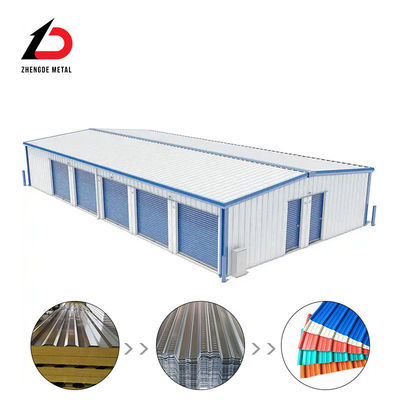
Bridge girders, building frames, crane runway beams, shipyard gantry structures, plant steelwork and heavy equipment bases are typical end uses. Customers in Japan, Korea, Vietnam, Indonesia and the Philippines often need JIS documentation alongside a Chinese origin, which we supply as standard. Matching grades SM400A and SM520B are available from the same mill, so a project with varying stress levels can be sourced with one consistent weld procedure and one consolidating shipment.
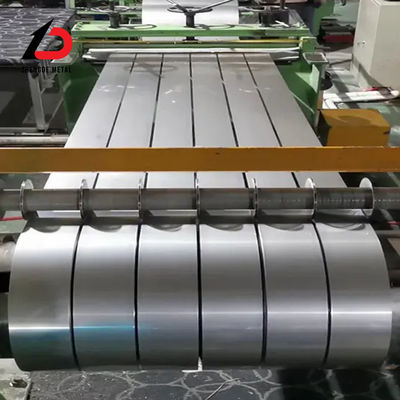
Because the coil is supplied rather than cut plate, buyers can nest parts across the full strip width, order only the tonnage a job requires and run the material straight onto an automated cutting or roll forming line. We quote slit to width as a standard option, and we confirm inner diameter, coil weight and winding direction against the customer's uncoiler before the order is rolled, so there is no adapter, no re-coiling and no scrap at the start of the run. Trial quantities of one coil are accepted for first orders, which lets a new customer verify formability and weld behaviour on their own equipment before committing to a full container.
Packaging and Quality AssuranceFor container shipments we load eye to sky wherever the coil weight allows, with timber saddles distributing the load and preventing the coil from rolling. Every coil is strapped, wrapped and corner protected, and the wrap carries a label with grade, heat number, dimensions and net weight. Shipping marks are applied according to the buyer's instruction, and we provide loading photographs together with the bill of lading documents so that the receiving department can verify the shipment against the packing list on arrival.
Every shipment is accompanied by a mill test certificate showing heat number, chemical composition, tensile results and, where the grade requires it, charpy impact energy. Third party inspection by SGS, BV, TUV or Intertek can be arranged at the mill before shipment, and we keep retained samples for twelve months so any question about a delivered coil can be answered against the actual test piece. Our quality system is certified to ISO 9001, and our documentation has been accepted by buyers in more than fifty countries. If a coil fails to meet the specification on arrival, we replace it or credit it, and we investigate the cause with the mill rather than leaving the customer to argue with a certificate.