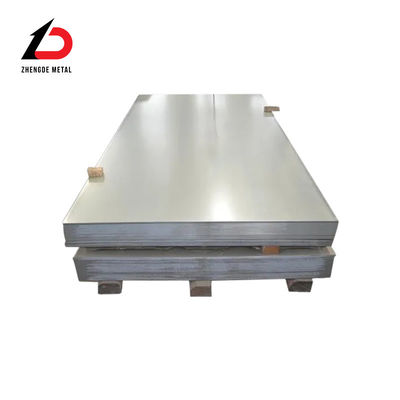


Grade A / B / D Hull structural steel is bought against a class society rulebook rather than against a generic standard, and the certificate has to name the society. Grade A is the mild steel used for internal structure and non critical hull areas, grade B adds impact toughness at zero degrees, and grade D extends that requirement down to minus 20 degrees for the shell plating of vessels trading in cold waters. Each grade carries a defined chemistry window and a defined test regime that the surveyor checks line by line.
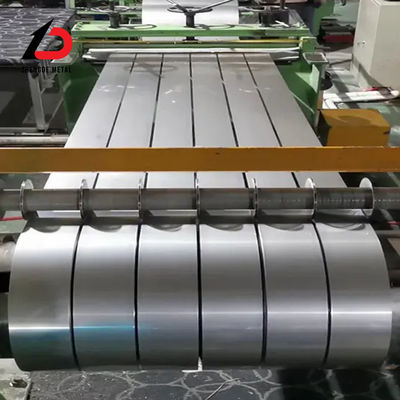
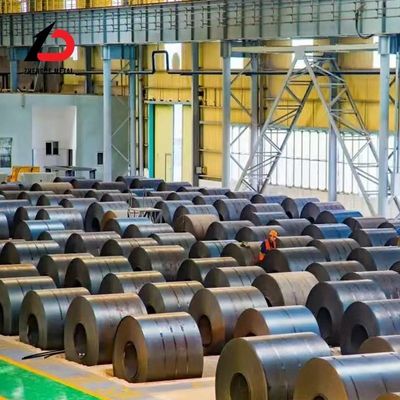
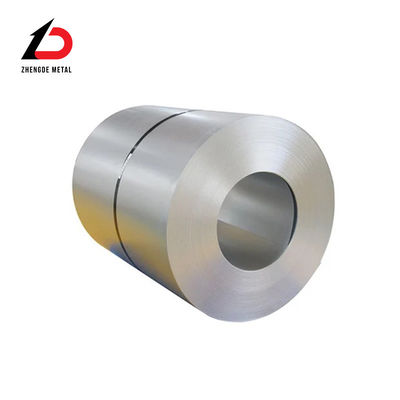
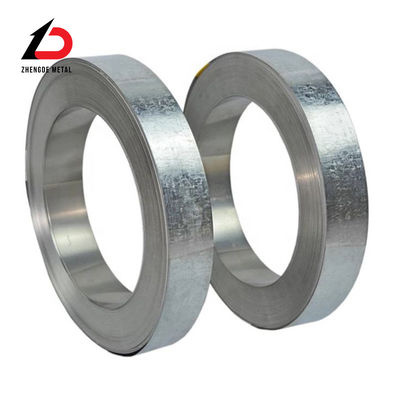
Every coil is rolled from continuously cast slab on a hot strip mill under a written rolling schedule, then cooled on the run out table and coiled at a controlled temperature. Before the coil leaves the line we check crown, wedge, camber and edge condition, because those four parameters decide how the material behaves on the customer's decoiler far more often than the tensile figure does. Coils are then sampled for chemistry and mechanical testing, and only the heats with results inside specification are released to packing.
Key Features| Parameter | Specification |
|---|---|
| Steel Grade | Grade A / B / D |
| Standard | GB/T 712 / LR BV DNV ABS |
| Thickness | 5.0-30.0 mm |
| Width | 1500-2600 mm |
| Coil Weight | 8-28 t per coil |
| Surface Condition | Hot rolled, shop primer on request |
| Thickness Tolerance | Thickness ±0.30 mm |
| Yield Strength | 235 MPa min |
| Tensile Strength | 400-520 MPa |
| Elongation | 22% min |
| Delivery Condition | As rolled, pickled and oiled, annealed or normalized on request |
| Inspection | Mill test certificate, third party inspection available |
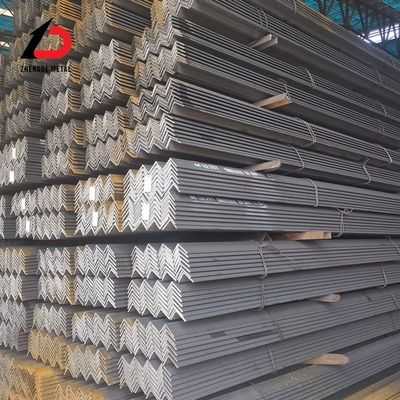
Shipyards, barge and pontoon builders, offshore support vessel fabricators and marine equipment suppliers use this material for shell plating, deck plate, bulkheads, inner bottoms and stiffeners. Because hull construction runs on panel lines, flatness and consistent thickness matter as much as the tensile values, and both are checked before the coil leaves the mill. We also supply the matching angle bar, flat bar and bulb flat sections from the same steelmaker so a hull block can be sourced as a package rather than as separate lots.
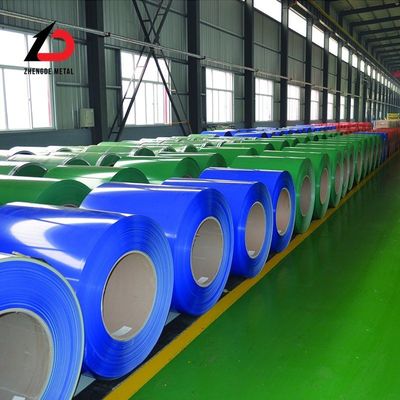
Because the coil is supplied rather than cut plate, buyers can nest parts across the full strip width, order only the tonnage a job requires and run the material straight onto an automated cutting or roll forming line. We quote slit to width as a standard option, and we confirm inner diameter, coil weight and winding direction against the customer's uncoiler before the order is rolled, so there is no adapter, no re-coiling and no scrap at the start of the run. Trial quantities of one coil are accepted for first orders, which lets a new customer verify formability and weld behaviour on their own equipment before committing to a full container.
Packaging and Quality AssuranceCoils are wrapped in waterproof plastic film, bound with at least four steel straps, edge protected with steel or plastic corner guards and, for export, loaded into 20 or 40 foot containers with timber dunnage that keeps the coil eye vertical and prevents shifting during ocean transit. Heavier coils are shipped on wooden saddles or in break bulk with lifting points marked. Each coil carries a weather resistant label showing grade, heat number, size, weight and coil number, and the packing list mirrors those labels so a receiving warehouse can reconcile without opening the wrap.
Every shipment is accompanied by a mill test certificate showing heat number, chemical composition, tensile results and, where the grade requires it, charpy impact energy. Third party inspection by SGS, BV, TUV or Intertek can be arranged at the mill before shipment, and we keep retained samples for twelve months so any question about a delivered coil can be answered against the actual test piece. Our quality system is certified to ISO 9001, and our documentation has been accepted by buyers in more than fifty countries. If a coil fails to meet the specification on arrival, we replace it or credit it, and we investigate the cause with the mill rather than leaving the customer to argue with a certificate.